
news
The Evolution of Laptops: From Clunky Boxes to Sleek Ultrabooks
Sep
The laptop computer, once a bulky and niche device, has undergone a profound transformation, evolving from a portable curiosity into an indispensable tool for work, creativity, and entertainment. The journey of the laptop is a story of relentless innovation, driven by a global demand for computing power on the go. From the first luggable machines of the 1980s to the feather-light ultrabooks and versatile 2-in-1 devices of today, the laptop’s evolution has mirrored and, at times, led the broader technological revolution. This comprehensive essay will trace the history of the laptop, examining the key technological milestones, design shifts, and market forces that have shaped its development over the past four decades.
The story begins in the early 1980s, an era defined by desktop computers and a general skepticism about the viability of truly portable computing. Early attempts, often dubbed “luggables,” were more like sewing machines with a screen, weighing over 20 pounds and requiring a dedicated power outlet. One of the most notable early examples was the Osborne 1, released in 1981. It was a marvel for its time, featuring a built-in screen, two floppy disk drives, and a bundled software suite. Despite its cumbersome size, it offered something revolutionary: the ability to take your work with you. However, its success was limited by its bulky form factor and short battery life. These early devices laid the groundwork, proving a market existed for personal, transportable computers, even if the technology was still in its infancy.
The late 1980s saw the first true leaps in portability, driven by advancements in battery technology, LCD screens, and more efficient processors. The laptop as we know it began to take shape. The Grid Compass 1101, designed by Bill Moggridge in 1982, is often credited as being the first true laptop with its clam-shell design, electroluminescent display, and magnesium case. Although it was primarily used by government and military professionals due to its high cost, its design became the blueprint for all future laptops. In 1989, Apple released the Macintosh Portable, a device that, while still heavy and expensive, marked a significant step forward with its active-matrix LCD screen and long battery life. It was a commercial failure, but it set the stage for Apple’s future triumphs in mobile computing.
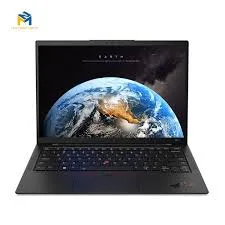
The 1990s were a golden age of experimentation and growth for the laptop market. Competition between companies like IBM, Toshiba, and Compaq drove down prices and improved performance. This era saw the introduction of color displays, internal modems for dial-up internet, and the standardization of trackpads and pointing sticks as alternatives to external mice. The Windows operating system, with its graphical user interface, made computing more accessible and further fueled the demand for portable machines. The IBM ThinkPad series, in particular, became an icon of this era, celebrated for its robust build quality, comfortable keyboards, and signature red TrackPoint. It was a favorite among business professionals and remains a symbol of classic laptop design.
The turn of the millennium ushered in the era of the modern laptop, defined by increased performance, connectivity, and sleek design. Wi-Fi became a standard feature, liberating users from the confines of a physical network cable. Processors became more powerful and energy-efficient, allowing for thinner designs and longer battery life. The introduction of Intel’s Centrino platform in 2003 was a game-changer, packaging a mobile-optimized processor, chipset, and wireless card into a single unit. This allowed manufacturers to build even smaller and lighter laptops, paving the way for the ultraportable category.
The late 2000s marked a pivotal moment in laptop history with the introduction of the Apple MacBook Air in 2008. It was a radical departure from the status quo, with its unibody aluminum chassis, wedge-shaped design, and extreme thinness. While its initial specifications were modest, the MacBook Air’s design philosophy—prioritizing portability and aesthetics—redefined what consumers expected from a laptop. It sparked a wave of “ultrabook” competitors from PC manufacturers, pushing the entire industry towards thinner, lighter, and more stylish designs. This shift demonstrated that consumers were willing to trade some performance for a more elegant and convenient form factor.
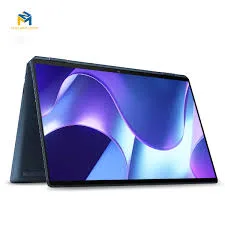
The last decade has been characterized by a drive for versatility and a blurring of the lines between different device categories. The rise of tablets and touchscreens led to the development of 2-in-1 laptops, which can function as both a laptop and a tablet. Devices like Microsoft’s Surface Pro series popularized this form factor, proving that a single device could offer the productivity of a laptop with the flexibility of a tablet. At the same time, the gaming laptop market exploded, with companies like Razer and Alienware packing desktop-class GPUs and processors into increasingly thin and powerful chassis. This segment showed that laptops could be just as capable as their desktop counterparts for high-performance tasks.
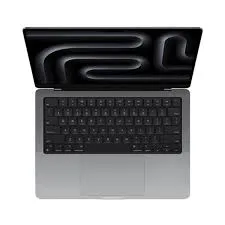
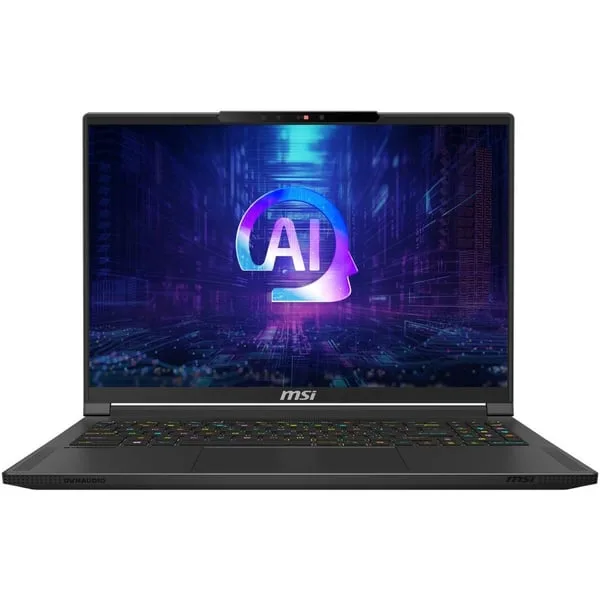
The latest frontier in laptop innovation is the integration of artificial intelligence (AI) and the shift to new processor architectures. AI is being used to enhance everything from battery management and security to creative tasks and voice commands. The move from traditional x86 architecture to ARM-based processors, exemplified by Apple’s M-series chips, has unlocked unprecedented levels of performance per watt, leading to silent, fanless laptops with multi-day battery life. This shift is poised to revolutionize the laptop market once again, offering a level of efficiency and power that was previously unimaginable.
Looking to the future, the laptop’s evolution shows no signs of slowing down. We are on the cusp of a new era of foldable screen laptops, a form factor that could redefine portability and screen real estate. The integration of 5G connectivity is set to make laptops “always connected” devices, blurring the line between a laptop and a smartphone. Furthermore, a growing emphasis on sustainability in manufacturing and a circular economy is changing how laptops are designed, built, and repaired, ensuring that future devices are not only powerful but also environmentally responsible. The journey of the laptop, from a bulky curiosity to a sleek, powerful, and versatile machine, is a testament to the power of human innovation. It is a story of continuous refinement, driven by the simple desire to take our digital lives with us, wherever we go.
