
news
The Future of Laptops: A Glimpse into Tomorrow’s Computing
Sep
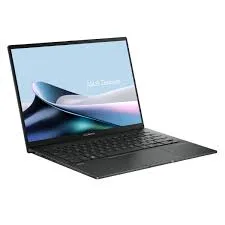
The laptop, as we know it, is on the cusp of a dramatic transformation. While today’s machines are sleek, powerful, and efficient, the coming years promise to introduce radical changes to their form, function, and underlying technology. The future of laptops is being shaped by a confluence of trends, including new processor architectures, the integration of artificial intelligence, and a growing emphasis on sustainability. This comprehensive essay will explore these emerging trends and speculate on what tomorrow’s computing devices will look like, how they will work, and what they will enable us to do.
One of the most significant shifts on the horizon is the move away from the traditional x86 architecture that has dominated personal computing for decades. Apple’s groundbreaking transition to its M-series chips, based on the ARM architecture, has proven that these processors can deliver a level of performance per watt that was previously unimaginable. This fundamental change is unlocking new possibilities in laptop design, allowing for thinner, lighter, and more energy-efficient machines with multi-day battery life. It’s a seismic shift that other companies, including Microsoft and Qualcomm, are now embracing, and it is poised to redefine the performance and efficiency standards for the entire industry. The “always-on” laptop, with instantaneous wake-up times and a silent, fanless design, is not a concept—it is the new reality.
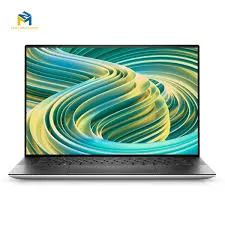
Another transformative force is the integration of artificial intelligence (AI) directly into the hardware and software of laptops. While we have already seen AI used for tasks like image recognition and voice assistants, the next generation of laptops will feature dedicated AI accelerators or “Neural Processing Units” (NPUs) on their chips. These dedicated components will enable a host of new features, from real-time language translation and intelligent content creation to more secure biometric authentication and hyper-efficient power management. AI will be the invisible engine that makes your laptop smarter, more responsive, and more personalized to your specific needs. It will anticipate your commands, optimize your workflow, and even enhance your video calls with intelligent noise cancellation and background blur.
The very form factor of the laptop is also undergoing a revolution. The traditional clamshell design, while iconic, is giving way to more versatile and innovative shapes. The rise of foldable displays is perhaps the most exciting trend in this area. Devices with screens that can bend and fold are set to change how we use laptops, offering the portability of a tablet with the screen real estate of a desktop monitor. Imagine a laptop that folds in half to fit in your bag, then unfolds to reveal a massive, immersive screen for multitasking or creative work. While early foldable laptops have been expensive and niche, the technology is rapidly maturing and is expected to become a more mainstream option in the coming years.
Beyond the hardware, the future of laptops is also being shaped by a growing focus on sustainability. Manufacturers are increasingly moving towards using recycled and responsibly sourced materials in the construction of their devices. The circular economy is becoming a key design principle, with laptops being built to be more easily repaired, upgraded, and recycled. This shift is a response to consumer demand and a growing awareness of the environmental impact of electronics. Future laptops will not only be more powerful and efficient but also more environmentally friendly, a key selling point for a new generation of buyers.
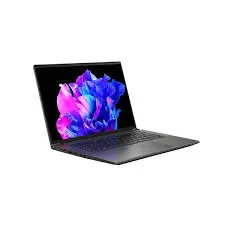
Connectivity is another area of rapid advancement. With the widespread rollout of 5G networks, future laptops will be “always connected,” eliminating the need for Wi-Fi hotspots and tethering to your smartphone. This constant, high-speed connection will enable seamless cloud computing, real-time collaboration, and instant access to information from anywhere. The line between what is stored on your device and what is in the cloud will continue to blur, making your laptop a window into a vast, interconnected digital world.
Furthermore, the keyboard, a fundamental part of the laptop for decades, is also being reimagined. We may see the introduction of haptic keyboards that offer a customizable tactile feel, or even projected keyboards that allow for a full-sized typing experience on any surface. The mouse and touchpad may also be replaced by more intuitive and natural forms of interaction, such as advanced gesture controls and eye tracking, which could make the computing experience more fluid and seamless.
The integration of augmented reality (AR) is another frontier. While full AR glasses may still be a few years away from the mainstream, future laptops could feature built-in AR capabilities. Imagine holding up your laptop’s camera to a building and seeing real-time information about its history, or using AR to visualize a 3D model in your living room. The laptop will no longer just be a tool for viewing digital content; it will be a tool for interacting with the world in a new and exciting way.
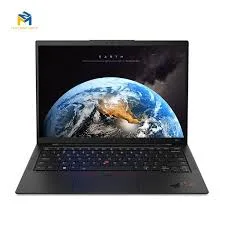
In conclusion, the laptop’s future is not about minor improvements; it’s about fundamental change. The combination of new processor architectures, integrated AI, and innovative form factors is set to create a new class of devices that are more powerful, more efficient, and more versatile than anything we have seen before. The laptop of tomorrow won’t just be a tool for getting work done; it will be an intelligent, adaptive, and seamlessly connected companion that enhances every aspect of our digital lives. The journey from the “luggable” to the super-intelligent, foldable, and always-on device is just beginning, and it promises to be an exciting ride.
