
news
The Ultimate Guide to Choosing Your Perfect Laptop
Sep
In today’s digital age, a laptop is no longer a luxury—it’s a necessity. Whether you’re a student, a creative professional, a remote worker, or a dedicated gamer, findingnd e rightntertainme crucial for productivity and enjoyment. However, withnt seemingly endless array of brands, models, specifications, and features, the process can be overwhelming. This comprehensive guide is designed to demystify the laptop buying process, helping you navigate the technical jargon and make an informed decision that perfectly aligns stor rele needs, lifestyle, and budget.abilik with and most important step in choosing a laptop is to define your primary use case. The perfectcomputee lane graphic designer will be very different from the perfect laptop thece traveling sales professional. By clarifying how you plan to use the device, you can narrow down your options and prioritize the features that matter most to you.e
Finding the Right Fit for Your Needs
-
For the Student: Your primary needs will likely be note-taking, research, writing papers, and streaming content. You’ll need a laptop that is lightweight and portable, with a long battery life to get you through a full day of classes. Affordability is often a key factor. Look for models with a solid-state drive (SSD) for fast boot times and a comfortable keyboard for typing. A Chromebook or a budget-friendly Windows laptop often fits this category well.
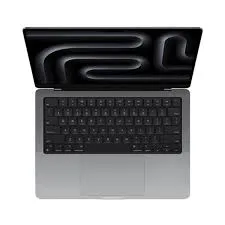
- For the Creative Professional: If your work involves video editing, graphic design, or 3D modeling, you’ll need a machine with serious power. Prioritize a powerful multi-core processor (Intel Core i7/i9 or AMD Ryzen 7/9), a dedicated graphics card (NVIDIA GeForce or AMD Radeon), and at least 16GB of RAM. A high-resolution, color-accurate display is non-negotiable for tasks where visual fidelity is key. MacBooks are a popular choice in this category, but there are also many excellent Windows options.
- For the Remote Worker: You’ll need a reliable workhorse that can handle multitasking, video conferencing, and office applications. A comfortable keyboard, a decent webcam, and a long battery life are essential. Security features like a fingerprint reader or facial recognition can also be a plus. Consider a laptop with a comfortable screen size for long hours of work, and prioritize a model with a robust build quality that can withstand the rigors of travel.
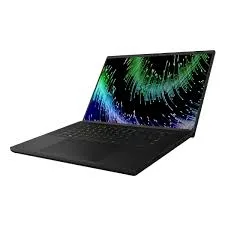
- For the Gamer: Gaming laptops are a category all their own, built for one thing: performance. You’ll need the latest and most powerful dedicated graphics card (NVIDIA’s RTX series is a popular choice), a fast processor, and a high-refresh-rate display (120Hz or higher) for smooth gameplay. While performance is key, robust cooling solutions are also important to prevent thermal throttling. Gaming laptops are typically thicker and heavier than other models to accommodate powerful components and efficient cooling systems.
Once you have a clear idea of your use case, you can start to look at the specific components that make up a laptop.

The Core Components: Demystifying the Specs
- Processor (CPU): The brain of the computer. For basic tasks, an Intel Core i3 or i5, or an AMD Ryzen 3 or 5, is more than enough. For demanding tasks like video editing and gaming, look for a Core i7/i9 or Ryzen 7/9. Apple’s M-series chips are a new and powerful alternative, known for their exceptional efficiency.
- Graphics Card (GPU): Responsible for rendering images and videos. Integrated graphics (built into the CPU) are fine for most tasks. A dedicated GPU is a must for gaming and creative work.
- RAM (Random Access Memory): The computer’s short-term memory. 8GB is the bare minimum for smooth multitasking. 16GB is ideal for most users, and 32GB or more is needed for professional tasks like video editing.
- Storage: The long-term memory. A Solid-State Drive (SSD) is vastly superior to a traditional Hard Disk Drive (HDD) in terms of speed, durability, and energy efficiency. Most modern laptops come with an SSD. Look for at least 256GB, but 512GB or 1TB is a more comfortable starting point, especially if you store a lot of media.
- Display: The screen is your window to the digital world. Resolution (1080p is standard), panel type (OLED and IPS are excellent for color and viewing angles), and refresh rate (important for gaming) are all key factors.
- Battery Life: One of the most important factors for portability. Check independent reviews, as manufacturer claims can often be optimistic. Look for laptops that promise at least 8-10 hours of real-world use for a full day of productivity.
Form Factor and Design: More Than Just Looks
A laptop’s form factor is about more than just aesthetics; it impacts how you use the device every day.
- Traditional Clamshell: The classic design. Best for pure productivity and a stable typing experience.
- Ultrabook: A term for a thin and light laptop. Perfect for students and professionals who are constantly on the move.
- 2-in-1 Convertible: Features a 360-degree hinge, allowing it to be used as a laptop, a tablet, or in a “tent” mode for presentations. Ideal for creative professionals who use a stylus or for consuming media.
- Gaming Laptop: Often thicker and heavier to accommodate powerful components and robust cooling systems. They often feature aggressive designs with RGB lighting.

The Operating System: Windows vs. macOS
st choice between Windows and macOS is largely a matter of personal preference and ecosystem.o
- Windows: The most popular operating system, with the widest range of software and hardware compatibility. It offers a huge variety of laptops at all price points and is the go-to choice for gamers.
- macOS: Known for its user-friendly interface, robust security, and seamless integration with other Apple devices. It is a favorite among creative professionals, though it offers less hardware variety.
A Final Word on Making a Smart Purchase
Choosing awireleo a a significant investment. Before you buy, read reviews from trusted tech websitesd ev watch video reviews. Consideren s after-sales support and warranty offeredionicat manufacturer. Finally, rememberportaumer “best” laptop is the one that best suits your individual needs. By taking the time to understand your requirementsns. m fa available options, you can find a machinewhichth a lapt meets your expectations but exceeds them, enhancing every aspect of your digital life. device could offer the productivity of a laptop with the flexibility of a tablet. At the same time, the gaming laptop market exploded, with companies like Razer and Alienware packing desktop-class GPUs and processors into increasingly thin and powerful chassis. This segment showed that laptops could be just as capable as their desktop counterparts for high-performance tasks.
The latest frontier in laptop innovation is the integration of artificial intelligence (AI) and the shift to new processor architectures. AI is being used to enhance everything from battery management and security to creative tasks and voice commands. The move from traditional x86 architecture to ARM-based processors, exemplified by Apple’s M-series chips, has unlocked unprecedented levels of performance per watt, leading to silent, fanless laptops with multi-day battery life. This shift is poised to revolutionize the laptop market once again, offering a level of efficiency and power that was previously unimaginable.
Looking to the future, the laptop’s evolution shows no signs of slowing down. We are on the cusp of a new era of foldable screen laptops, a form factor that could redefine portability and screen real estate. The integration of 5G connectivity is set to make laptops “always connected” devices, blurring the line between a laptop and a smartphone. Furthermore, a growing emphasis on sustainability in manufacturing and a circular economy is changing how laptops are designed, built, and repaired, ensuring that future devices are not only powerful but also environmentally responsible. The journey of the laptop, from a bulky curiosity to a sleek, powerful, and versatile machine, is a testament to the power of human innovation. It is a story of continuous refinement, driven by the simple desire to take our digital lives with us, wherever we go.
