
news
The Future of Audio: Next-Generation Headphones and Wearables
Sep
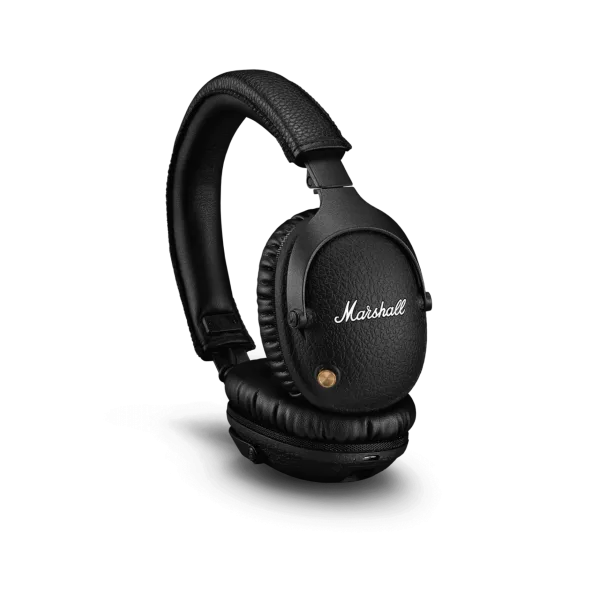
The headphones of tomorrow will be more than just devices for listening to music; they will be intelligent, context-aware companions that seamlessly integrate with our digital and physical worlds. The audio landscape is on the cusp of a dramatic transformation, driven by innovations in artificial intelligence, augmented reality, and personalized health monitoring. This comprehensive essay will explore the emerging trends that are shaping the next generation of headphones and audio wearables, offering a glimpse into a future where sound is not just heard, but experienced.
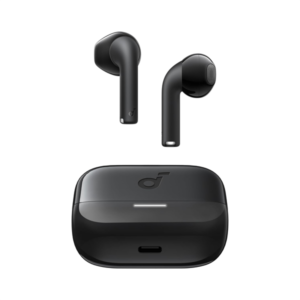
One of the most significant advancements on the horizon is the evolution of Active Noise Cancellation (ANC). While today’s ANC is effective at blocking out continuous, low-frequency sounds, the next generation will be far more intelligent. We can expect adaptive ANC that automatically adjusts its level based on your environment, instantly silencing a loud bus and then allowing you to hear a conversation when you enter a quiet cafe. Personalized ANC will use sensors to analyze the unique shape of your ear and the surrounding environment, creating a noise-cancellation profile that is perfectly tailored to you. This will result in an even more immersive and comfortable listening experience.
Spatial audio, a technology that creates a three-dimensional sound experience, is also poised for a revolution. While it is currently used primarily for movies and music, the next generation of headphones will use head-tracking technology to make the soundscape even more realistic. As you turn your head, the sound will remain anchored in a specific location, creating a sense of presence and immersion. This will be a game-changer for mobile gaming and augmented reality experiences, as it will make virtual objects and characters sound as if they are truly in the room with you. We may even see the integration of haptic feedback, with headphones that vibrate in sync with the bass of the music, adding a new physical dimension to the listening experience.
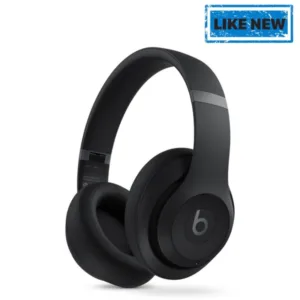
The line between headphones and health wearables is also beginning to blur. Future headphones will be equipped with a suite of sensors to monitor your health and well-being. They will be able to track your heart rate, blood oxygen levels, and even your body temperature. This data will be used to provide real-time feedback on your workout performance, track your sleep quality, and even detect early signs of a health issue. This integration will turn a simple audio device into a powerful health companion that helps you live a healthier and more active life.
The next generation of headphones will also be deeply integrated with augmented reality (AR). While AR glasses are still a few years away from the mainstream, future headphones could be a key component of the AR ecosystem. They will be able to use microphones and AI to understand your environment and provide you with contextual audio information. For example, a tourist could walk through a historic city and hear a voice in their headphones providing a real-time tour of the landmarks they are seeing. This will create a new level of immersive, context-aware audio experiences that will change how we interact with the world around us.

Voice control and AI assistants will also become more intuitive and powerful. The headphones of the future will be able to understand natural language and complex commands, allowing you to control your music, get information, and interact with your digital world without ever touching your phone. They will be able to anticipate your needs and provide you with information before you even ask for it. This will turn your headphones not just a tool for listening, but an intelligent assistant that is always with you.
In conclusion, the future of headphones is incredibly exciting. The devices of tomorrow will be more than just a way to listen to music; they will be intelligent, context-aware companions that seamlessly integrate with our lives. They will offer a new level of immersion, a new level of personalization, and a new level of functionality that will change how we interact with sound forever. The journey to the future of audio has just begun, and it promises to be an exciting one.
