
news
The Ultimate Guide to Choosing Your Next Smartphone
Sep
The smartphone has become the single most important device in our lives, serving as our primary tool for communication, work, and entertainment. But with a new model seemingly released every week, navigating the market can be a daunting task. From flagships that cost over a thousand dollars to budget-friendly options that offer surprising value, the choice is more complex than ever. This comprehensive guide is designed to cut through the clutter and help you make a smart, informed decision on your next smartphone, perfectly tailored to your needs and budget.
The first and most fundamental decision you’ll face is the choice of operating system: iOS or Android. This is often the most personal choice, as each platform has its own unique ecosystem, user experience, and set of advantages.
The Great Divide: iOS vs. Android
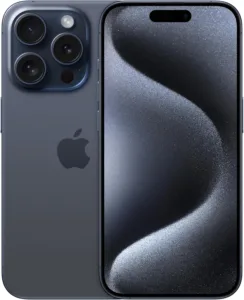
- iOS (Apple): Known for its simplicity, security, and seamless integration with other Apple devices. If you already own a MacBook, iPad, or Apple Watch, an iPhone offers a cohesive and intuitive user experience. The App Store is meticulously curated, and software updates are pushed out to all devices simultaneously, ensuring a consistent and secure experience.
- Android (Google): The world’s most popular operating system, offering a vast array of devices from dozens of manufacturers. Android is known for its customization, allowing users to tweak their home screen, download third-party launchers, and access a wider range of accessories. The Google Play Store offers a massive selection of apps, and the pricing of Android devices spans from ultra-budget to high-end flagships, providing a choice for every price point.
Once you’ve settled on an ecosystem, it’s time to dive into the key hardware components that will define your experience.
Key Hardware Features to Consider
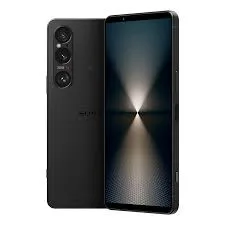
- Camera System: For many, the camera is the most important feature of a smartphone. Don’t just look at the megapixels; consider the number of lenses (e.g., ultrawide, telephoto), low-light performance, and video capabilities. Read reviews and look at sample photos to see real-world performance.
- Display: You’ll be looking at your screen for hours every day, so its quality is crucial. Look for a display with OLED technology for vibrant colors and true blacks, a high refresh rate (90Hz or 120Hz) for smooth scrolling, and a high peak brightness for visibility in direct sunlight.
- Battery Life: One of the most common pain points for smartphone users. Look for a device with a large battery capacity (measured in mAh). Check independent reviews for real-world battery tests, as manufacturer claims can sometimes be misleading.
- Processor (Chip): The engine of the smartphone. For a smooth, lag-free experience, a modern processor is essential. High-end flagships come with the latest chips (e.g., Apple’s A-series, Qualcomm’s Snapdragon 8 series). If you don’t do a lot of mobile gaming, a mid-range chip can offer a great balance of performance and efficiency.
- Storage: The amount of storage you need depends on how many apps, photos, and videos you plan to store. 128GB is a good starting point for most users, but if you take a lot of photos and videos, consider a model with 256GB or more.
- Charging: The speed at which a phone charges is a major convenience. Look for devices with fast-charging capabilities, and consider whether wireless charging is a feature you need.
The Form Factor: Finding the Right Feel
A smartphone is a personal object, so its size and feel in your hand are important.
- Small and Compact: These phones are easy to use with one hand and fit comfortably in a pocket.
- Standard Size: The most popular size, offering a good balance of screen size and portability.
- Large/”Plus” Models: Ideal for media consumption and mobile gaming, but can be difficult to use with one hand.
- Foldable Phones: The newest category, combining the portability of a phone with the screen real estate of a tablet. While expensive, they offer a new level of versatility.
A Final Word on Making a Smart Purchase
Choosing a smartphone is a significant investment that you will live with for at least a few years. Before you buy, read professional reviews, compare specifications, and watch video reviews that demonstrate the phone’s performance. Consider buying from a retailer that offers a good return policy, so you can test the phone for yourself. Ultimately, the best smartphone is the one that fits your life, your needs, and your budget. By taking the time to do your research, you can find a device that you will love for years to come.
